Research.
Transient Relations.
Transindividuation and Embodiment within the Ecosystems of the Now
2024-2027
Within the framework of this doctoral research project, Timothy examines dance and performance as socio-cultural formations shaped by shifting regimes of contemporaneity and (critical) globalism. The research investigates how aesthetic practices are mediated by their institutional and geopolitical conditions.
The project reflects on transindividuation, collectivity, and embodiment as key catalysts for societal change by rethinking how responsibility, participation, and decision-making take form within evolving transnational artistic ecosystems and their infrastructures of production, circulation, and legitimation.
Funded by BMBWF - Bundesministerium für Bildung, Wissenschaft und Forschung.
Read more ︎︎︎
Transindividuation and Embodiment within the Ecosystems of the Now
2024-2027
Within the framework of this doctoral research project, Timothy examines dance and performance as socio-cultural formations shaped by shifting regimes of contemporaneity and (critical) globalism. The research investigates how aesthetic practices are mediated by their institutional and geopolitical conditions.
The project reflects on transindividuation, collectivity, and embodiment as key catalysts for societal change by rethinking how responsibility, participation, and decision-making take form within evolving transnational artistic ecosystems and their infrastructures of production, circulation, and legitimation.
Funded by BMBWF - Bundesministerium für Bildung, Wissenschaft und Forschung.
Read more ︎︎︎
How We Ought To Be Together
2023-2024
The social as material.
"How We Ought To Be Together" (HOWTBT) as a peer-to-peer feedback project is driven by the overarching goal of rethinking cultures of participation and the utilization of the social as material within performative practice.
The project incorporated a combination of artistic and scientific methodologies through embodied communication design and feedback practice by exploring alternative cultures of participation, fostering collective decision-making processes, and creating an inclusive and empowering environment within and beyond the university context. One of the goals was to provide adequate project funding for the invited HOWTBT artist projects. After an open call at the University of Applied Arts, three projects were accompanied by mentors and received peer feedback from Claudia Bosse, Lucia Rosenfeld & Winona Hudec, as well as group feedback sessions hosted by APL artists Jasmin Schaitl and Mariella Greil. The further development of the works was also supported through Archives in Practice, the research of Charlotta Ruth, together with Performatorium (Olivia Jaques, Marlies Surtmann). Additionally, the project sought to integrate embodied feedback practices, drawing on the expertise of PhD researcher Jasmin Schaitl, who developed a specific vocabulary of feedback practice modalities tailored to the individual embodied needs of groups.
Embodied communication design formed a fundamental pillar of the HOWTBT project. By emphasizing the use of the body as a powerful tool for expression and connection, participants were encouraged to explore the intersections between art, communication, and social change. This approach allowed for a deeper engagement with diverse perspectives of what in our current times participation can mean and facilitated the development of projects that resonated on a sensory and affective level with others. Through embodied communication design, participants aimed to reflect on traditional forms of communication by rethinking forms of dialogue and reflection that extended beyond the individual.
Project Lead: Charlotta Ruth, PhD and Timothy Nouzak
In collaboration with: Performatorium (Olivia Jaques and Marlies Surtmann), Mariella Greil, PhD and Jasmin Schaitl
Invited Artist Projects: Charlotte Bastam & Verena Frauenlob, Valentino Skarwan & Su Huber, Aleksandar Gabrovsky & Kaloyan Vasev, Shahrzad Nazarpour & Mortezad Mohammadi
Supported by: APL - Angewandte Performance Laboratory, HUFAK and the INTRA research project 'Archive in Practice’
Read more ︎︎︎
2023-2024
The social as material.
"How We Ought To Be Together" (HOWTBT) as a peer-to-peer feedback project is driven by the overarching goal of rethinking cultures of participation and the utilization of the social as material within performative practice.
The project incorporated a combination of artistic and scientific methodologies through embodied communication design and feedback practice by exploring alternative cultures of participation, fostering collective decision-making processes, and creating an inclusive and empowering environment within and beyond the university context. One of the goals was to provide adequate project funding for the invited HOWTBT artist projects. After an open call at the University of Applied Arts, three projects were accompanied by mentors and received peer feedback from Claudia Bosse, Lucia Rosenfeld & Winona Hudec, as well as group feedback sessions hosted by APL artists Jasmin Schaitl and Mariella Greil. The further development of the works was also supported through Archives in Practice, the research of Charlotta Ruth, together with Performatorium (Olivia Jaques, Marlies Surtmann). Additionally, the project sought to integrate embodied feedback practices, drawing on the expertise of PhD researcher Jasmin Schaitl, who developed a specific vocabulary of feedback practice modalities tailored to the individual embodied needs of groups.
Embodied communication design formed a fundamental pillar of the HOWTBT project. By emphasizing the use of the body as a powerful tool for expression and connection, participants were encouraged to explore the intersections between art, communication, and social change. This approach allowed for a deeper engagement with diverse perspectives of what in our current times participation can mean and facilitated the development of projects that resonated on a sensory and affective level with others. Through embodied communication design, participants aimed to reflect on traditional forms of communication by rethinking forms of dialogue and reflection that extended beyond the individual.
Project Lead: Charlotta Ruth, PhD and Timothy Nouzak
In collaboration with: Performatorium (Olivia Jaques and Marlies Surtmann), Mariella Greil, PhD and Jasmin Schaitl
Invited Artist Projects: Charlotte Bastam & Verena Frauenlob, Valentino Skarwan & Su Huber, Aleksandar Gabrovsky & Kaloyan Vasev, Shahrzad Nazarpour & Mortezad Mohammadi
Supported by: APL - Angewandte Performance Laboratory, HUFAK and the INTRA research project 'Archive in Practice’
Read more ︎︎︎
Common-Works
2019-2021
![]()
© Wild Gallery Brussels
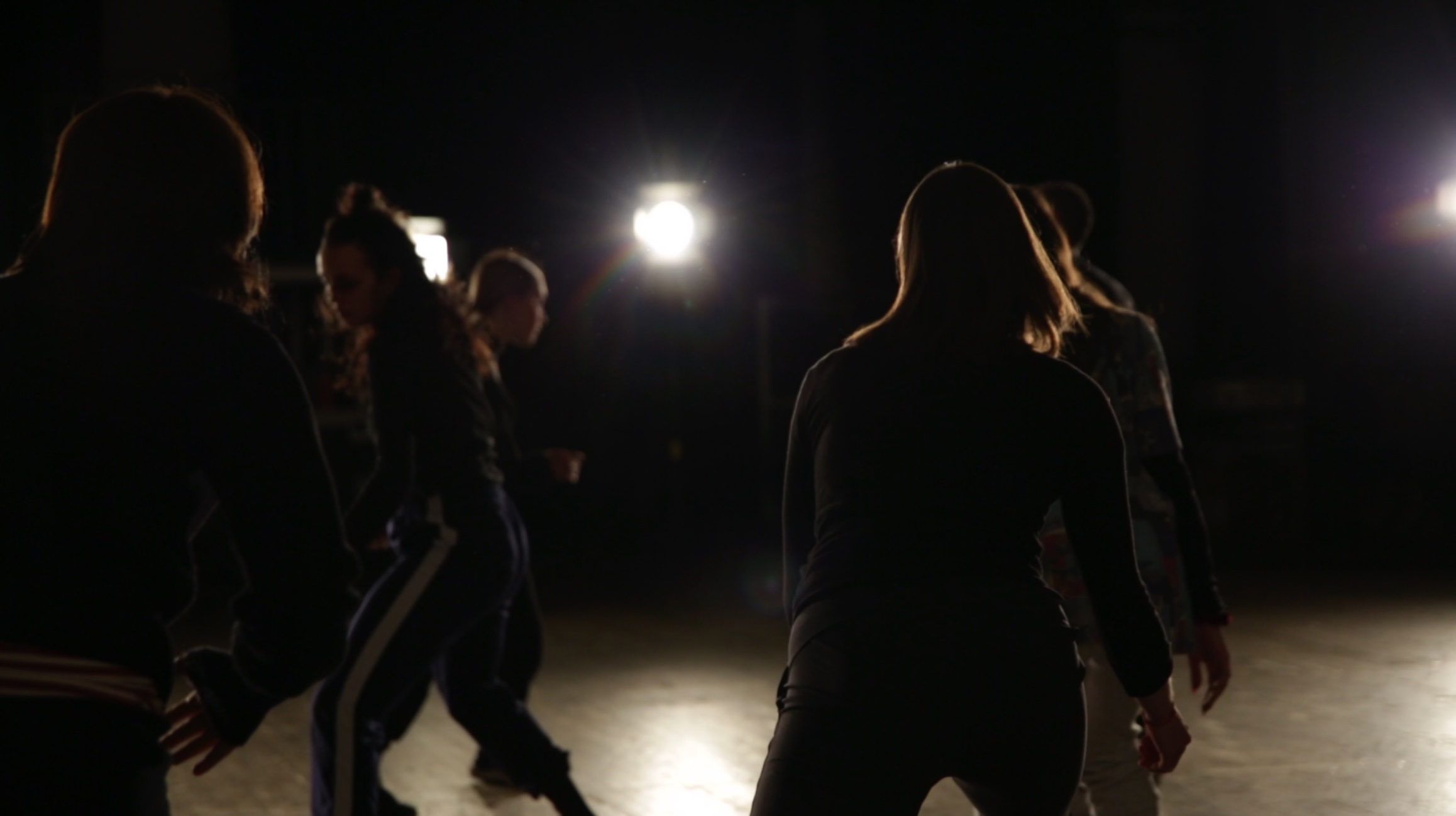
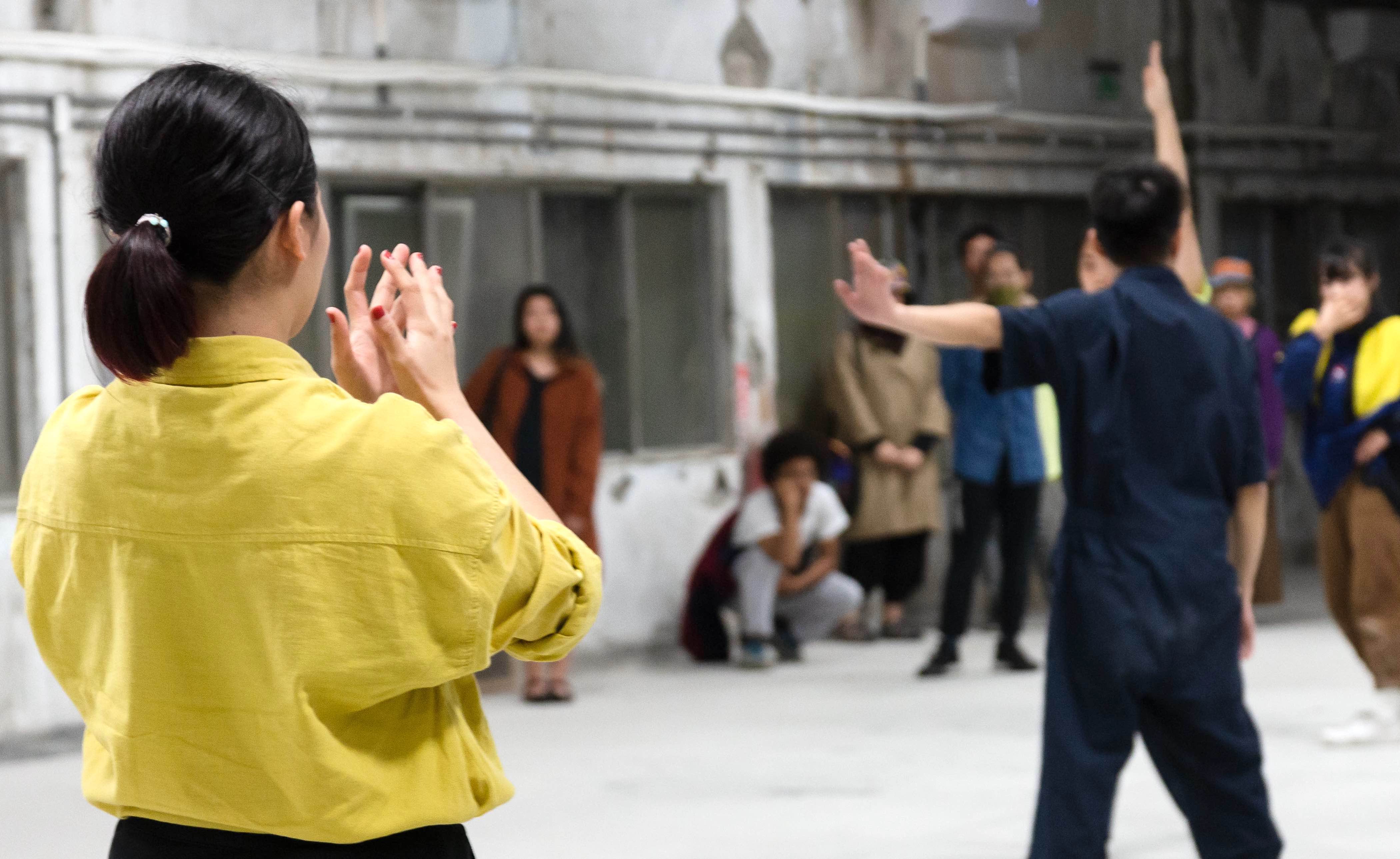
Common-Works is a guided space of exchange, a safe space, where a group of performers come together to improvise, share and experiment in order to find, on the basis of the ideas and concepts that circulated throughout the past editions of the score, a new possible access on what the next edition might be. The focus in the work lies in creating a safe and social space in order to develop a diverse array of conversational as well as practice-based strategies on how to share knowledge and formulate alternative representational structures in relation to the collective performing body.
2019-2021
© Wild Gallery Brussels
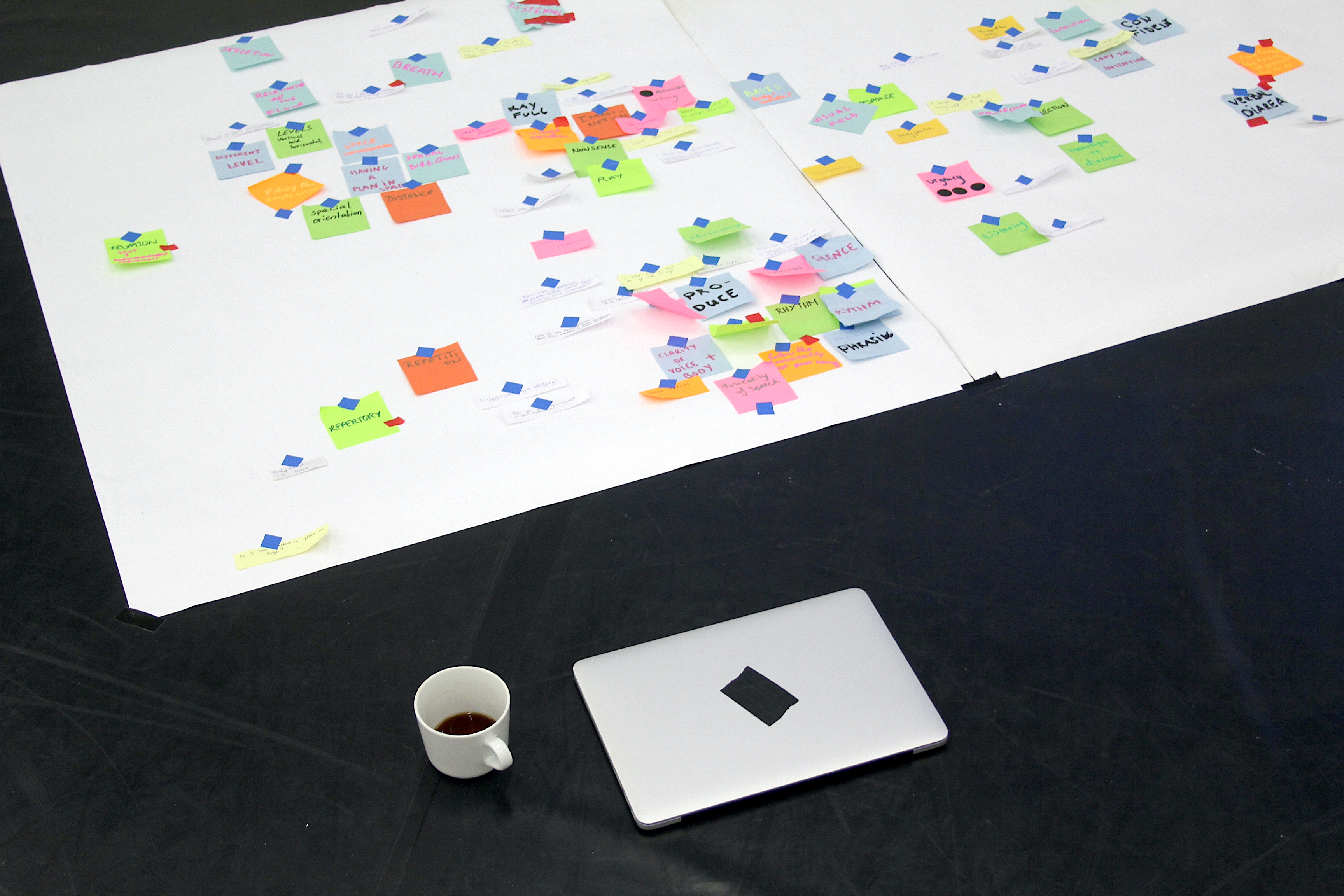
Common-Works is a guided space of exchange, a safe space, where a group of performers come together to improvise, share and experiment in order to find, on the basis of the ideas and concepts that circulated throughout the past editions of the score, a new possible access on what the next edition might be. The focus in the work lies in creating a safe and social space in order to develop a diverse array of conversational as well as practice-based strategies on how to share knowledge and formulate alternative representational structures in relation to the collective performing body.
© Wild Gallery Brussels
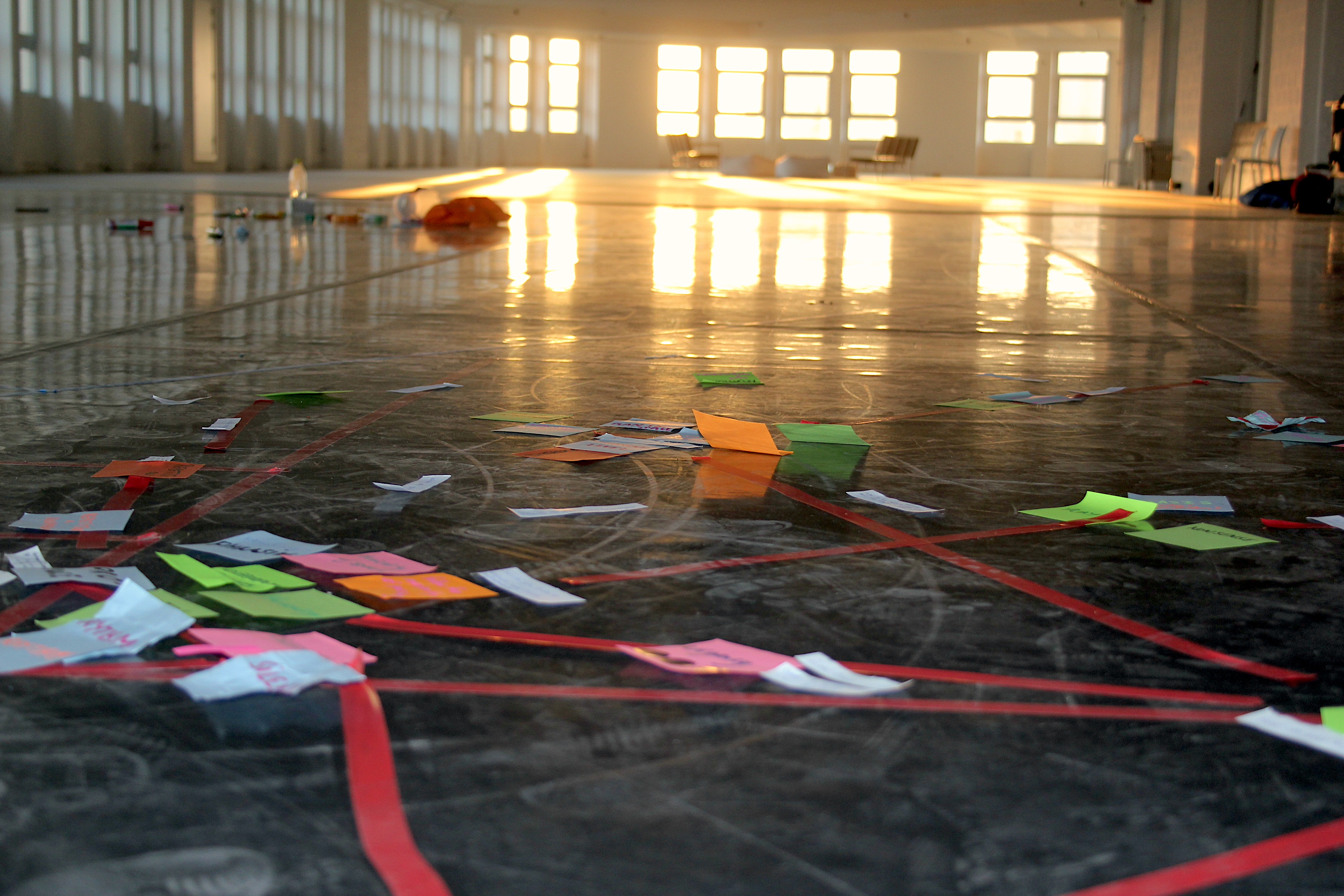
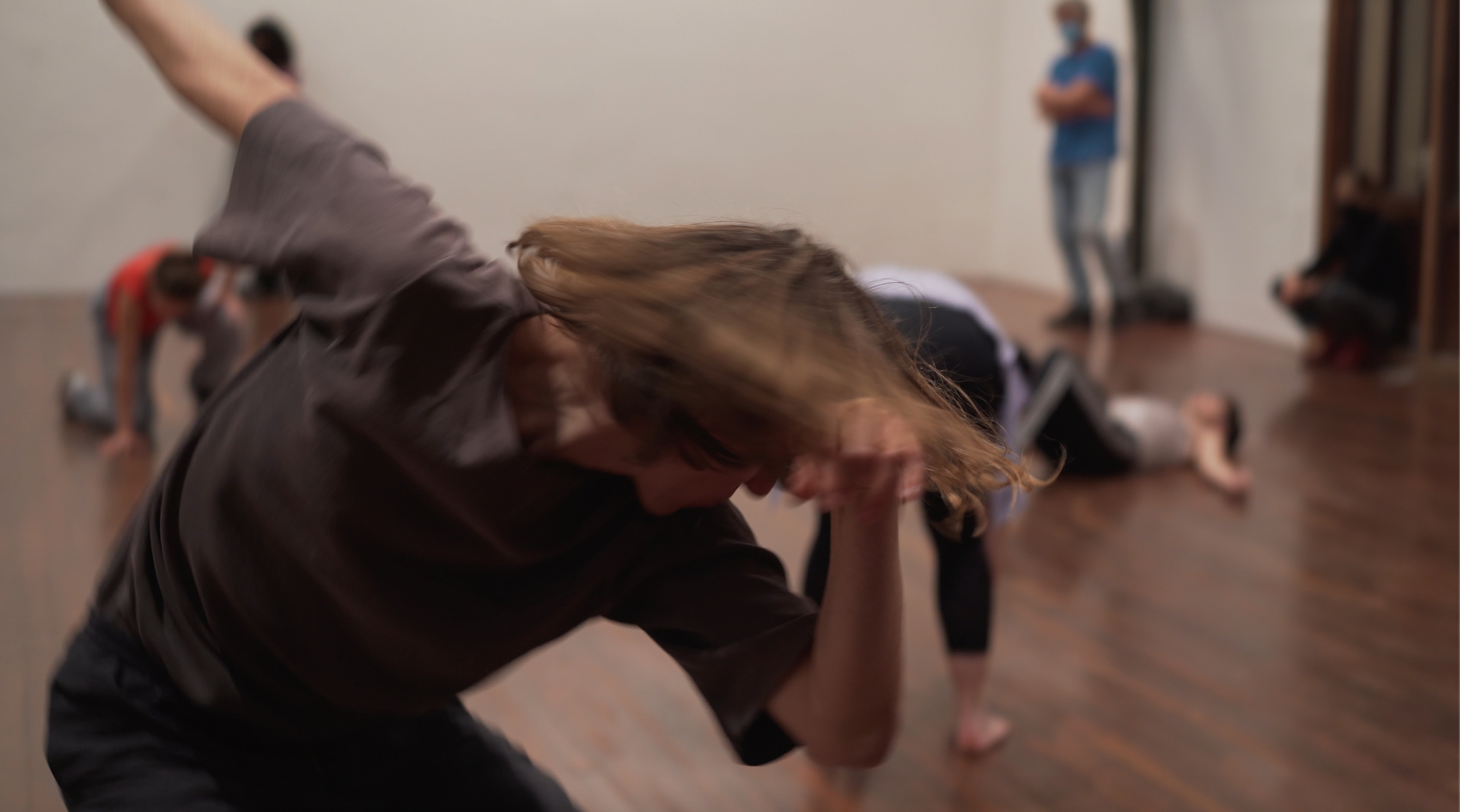
Common-Works is based on semi-improvised movement score practices, which define events and experiences in space through the act of repetition. In the context of a continuous dialogue with the collaborating performers, the immediate improvisational area is slowly being left behind and the work becomes repeatable: a so-called „edition“ is created. Each time the edition is created and rehearsed with a new group of performers.
Common-Works steadily oscillates between a process-based research where finite or productional aspects are being diverted and a performance practice that is shared within the frame of a public presentation. As such the project refers hereby to a multifaceted understanding of an audience: In the beginning the project is openly addressed to interested performers either via an open call or by a personal invitation on which basis they then might decide to join. Being part of the process, the agency for the invited performer changes to a collaborator. By continuing to develop ideas further, the collaborating performers start associate themselves with the works intent and aspirations, which subsequently is being shared with/ addressed to an audience - that is of an interested public that may already know prior editions. Processes of perception imply relation: By means of sensing and perceiving, it becomes a social container - a platform for exchange - that connects shared embodied availabilities.
Common-Works steadily oscillates between a process-based research where finite or productional aspects are being diverted and a performance practice that is shared within the frame of a public presentation. As such the project refers hereby to a multifaceted understanding of an audience: In the beginning the project is openly addressed to interested performers either via an open call or by a personal invitation on which basis they then might decide to join. Being part of the process, the agency for the invited performer changes to a collaborator. By continuing to develop ideas further, the collaborating performers start associate themselves with the works intent and aspirations, which subsequently is being shared with/ addressed to an audience - that is of an interested public that may already know prior editions. Processes of perception imply relation: By means of sensing and perceiving, it becomes a social container - a platform for exchange - that connects shared embodied availabilities.
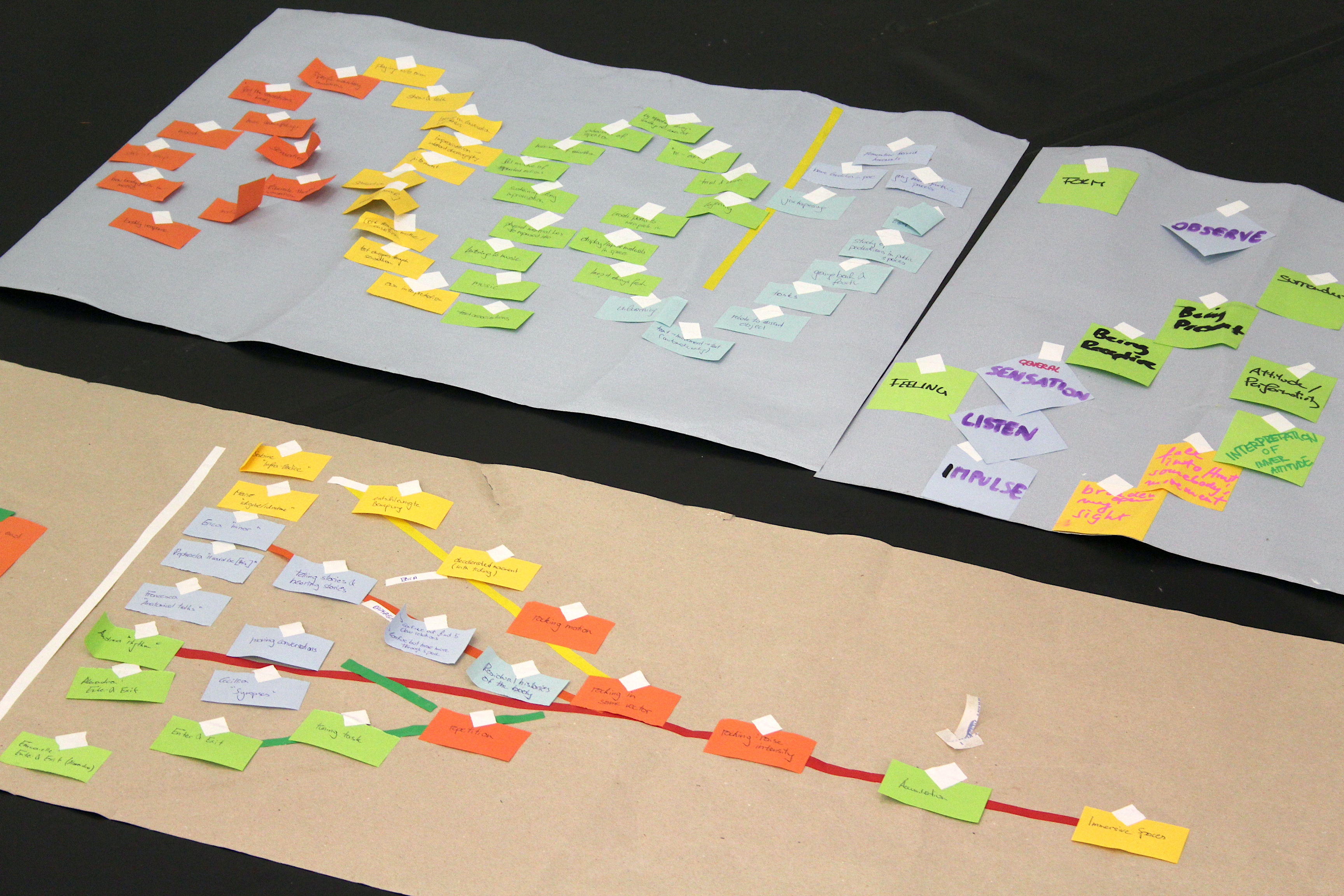
Common-Works uses the contextual reference of the previous edition as a starting point in order to subsequently define new methods that can be applied artistically within discursive and emodied practices: What processes arise in us when we perceive movement? What relations are at stake while enacting or perceiving a dance together? How much does our own upbringing precondition the understanding of a dance?
When a new edition of Common-Works starts, we are inviting on behalf or in conversation with the collaborating institution a new group of performers that we have never worked before. After initiating the encounter we are re organizing a personal one hour (skype) conversation with each of the collaborating performers. We get to know their background and aspirations in the project, introduce them to the content of the work as well as ask them to provide a specific practice that they would like to share in the beginning. Then we start our approx. 14 day research creation where we work each day and „compose through conversation“, an artistic gesture of Common-Works that (in)forms the overall project: it gives value and trust in the methodologies that have accumulated throughout the past editions whilst still opting to emancipate and liberate the performer’s agency and make them trust in their own doing and problem solving trough a semi-improvisational enactment.
When a new edition of Common-Works starts, we are inviting on behalf or in conversation with the collaborating institution a new group of performers that we have never worked before. After initiating the encounter we are re organizing a personal one hour (skype) conversation with each of the collaborating performers. We get to know their background and aspirations in the project, introduce them to the content of the work as well as ask them to provide a specific practice that they would like to share in the beginning. Then we start our approx. 14 day research creation where we work each day and „compose through conversation“, an artistic gesture of Common-Works that (in)forms the overall project: it gives value and trust in the methodologies that have accumulated throughout the past editions whilst still opting to emancipate and liberate the performer’s agency and make them trust in their own doing and problem solving trough a semi-improvisational enactment.

© Freda Fiala/ Timothy Nouzak
© STUK Leuven
Common-Works oscillates between an intimate, process-based research and a performative practice articulated within a public presentation:
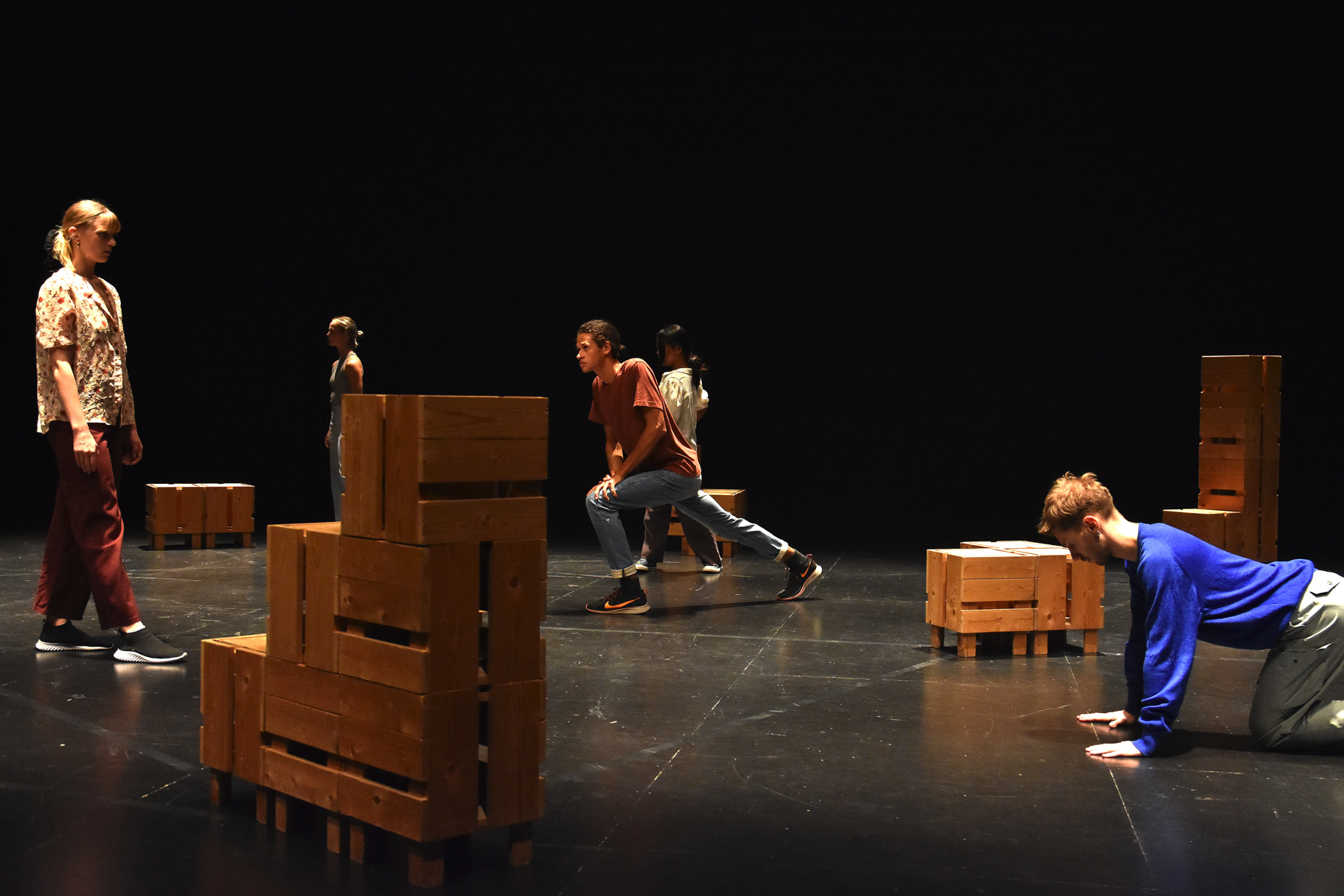
Common-Works 6.8
Kortrijk
2021
![]()
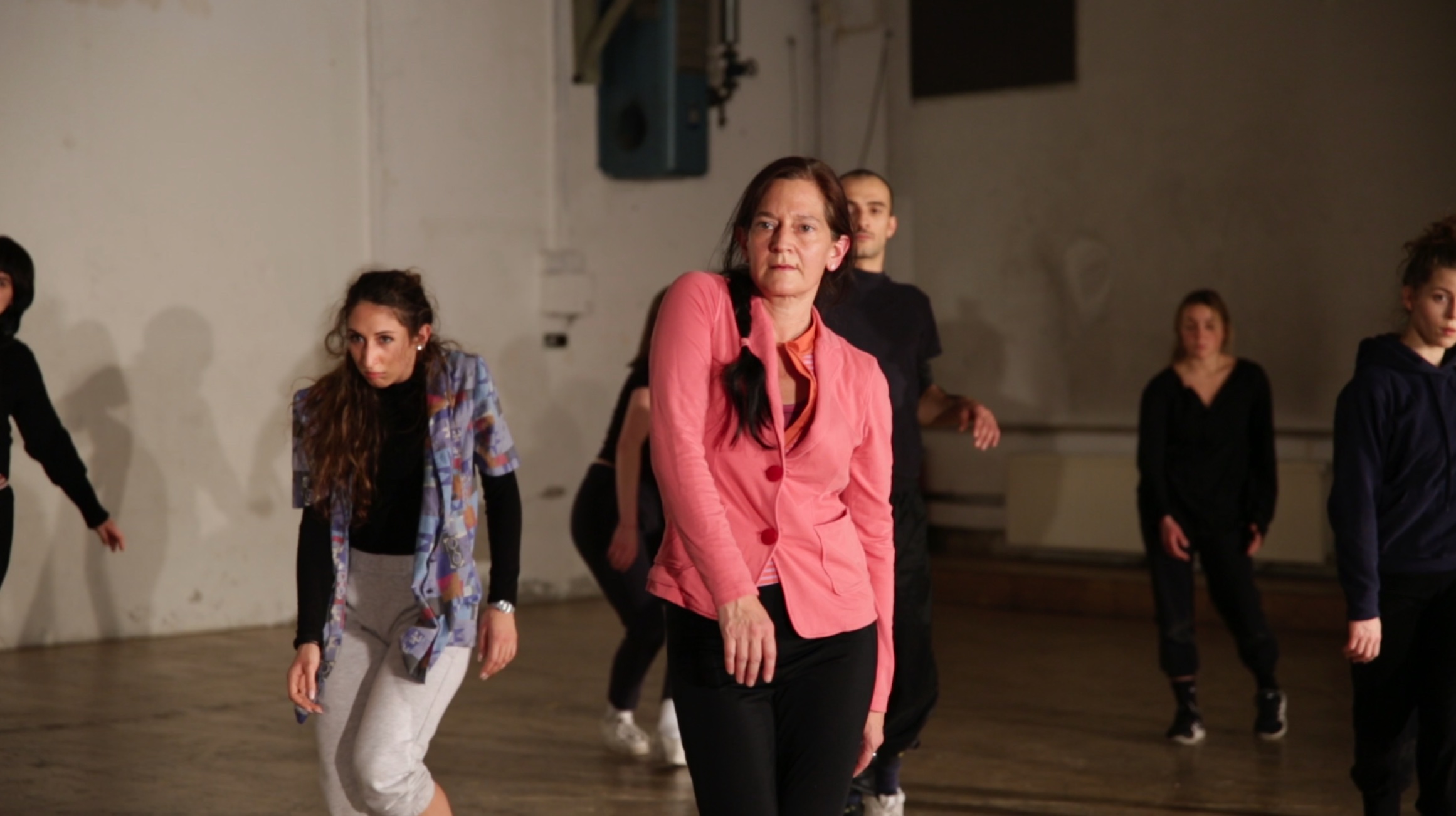
Common-Works 5.4
Munich
2020
![]()
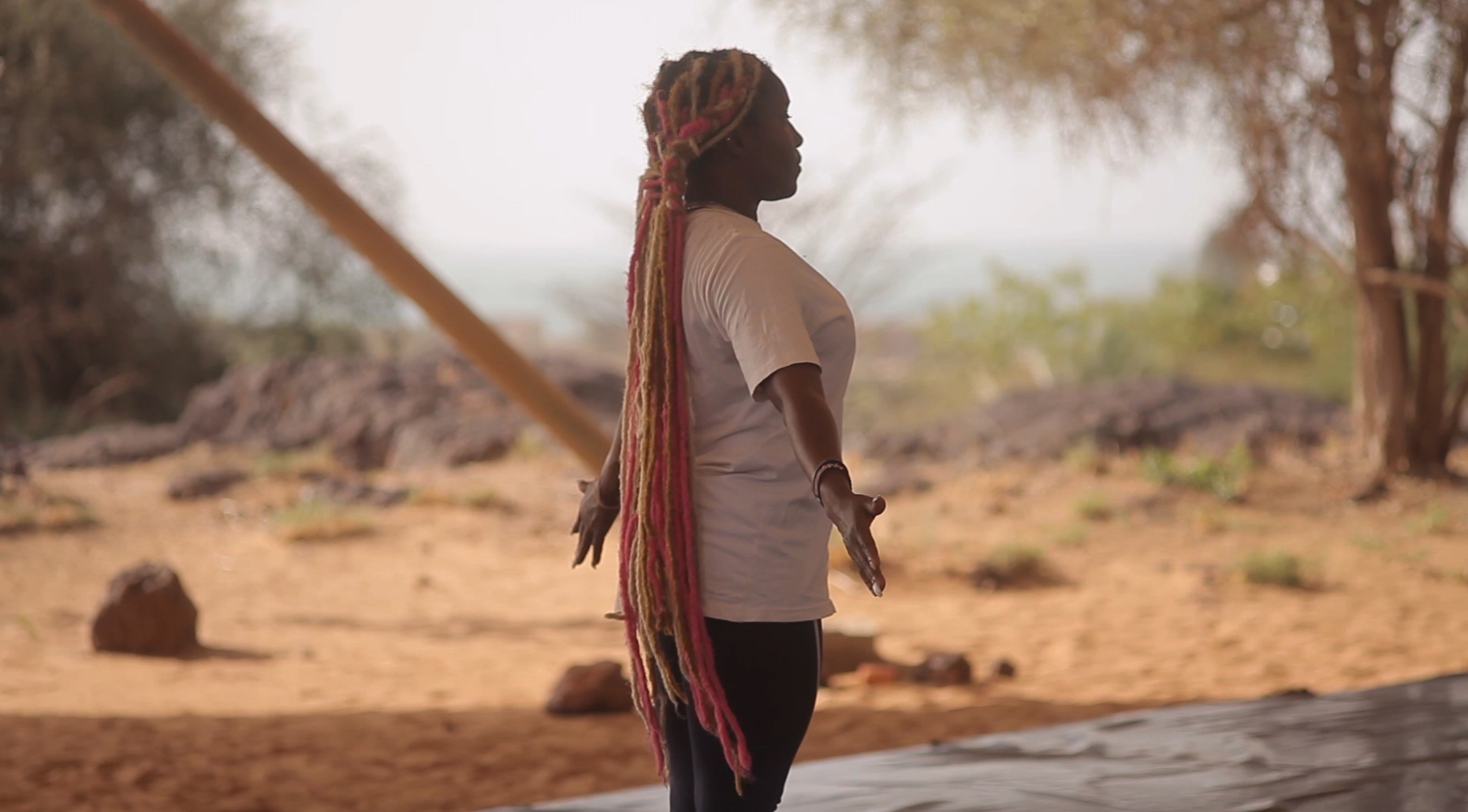
Common-Works 3.3
Toubab Dialaw
2020
![]()
© see picture property
Kortrijk
2021
Common-Works 5.4
Munich
2020
Common-Works 3.3
Toubab Dialaw
2020
© see picture property

Retro-Active Tendencies 2019-2020
Retro-Active Tendencies as a solowork-series strives to find various unspoken potentials, spaces-in-between where fiction and physical presence seem to be entangled, where dominant narratives of the past are suspended, where meaning has stripped off all of its nostalgia to the past by the very act of repetition, in order to create a place where history has to be denounced by being re-lived, where one starts to look back into the future - by bending back in order to relive the past.
Stripping away all the nostalgia from the act of repetition.. It could be [this].

© Mary Szydlowska
Semio-Rave 2019
Semio-Rave is an improvised collective movement/performance practice which lasts along a DJ-Mix of approx. 40-minutes. The practice consists of several modulesand is guided each time by a different person. The practice was developed out of two separate needs: On one hand, as a physical “coming together” focussing on the communal aspect of the group and on the other hand, as movement score that focusses on a physical listening of complex arrangements of rhythmical gestures. It has to date been (self-)organized in Brussels, Vienna, Berlin, Munich and Taipei.

© Raphaela Baumgartner / Schwere Reiter